

What is Art Advising + My Process
What does an Art Advisor/Consultant do and what is the process?
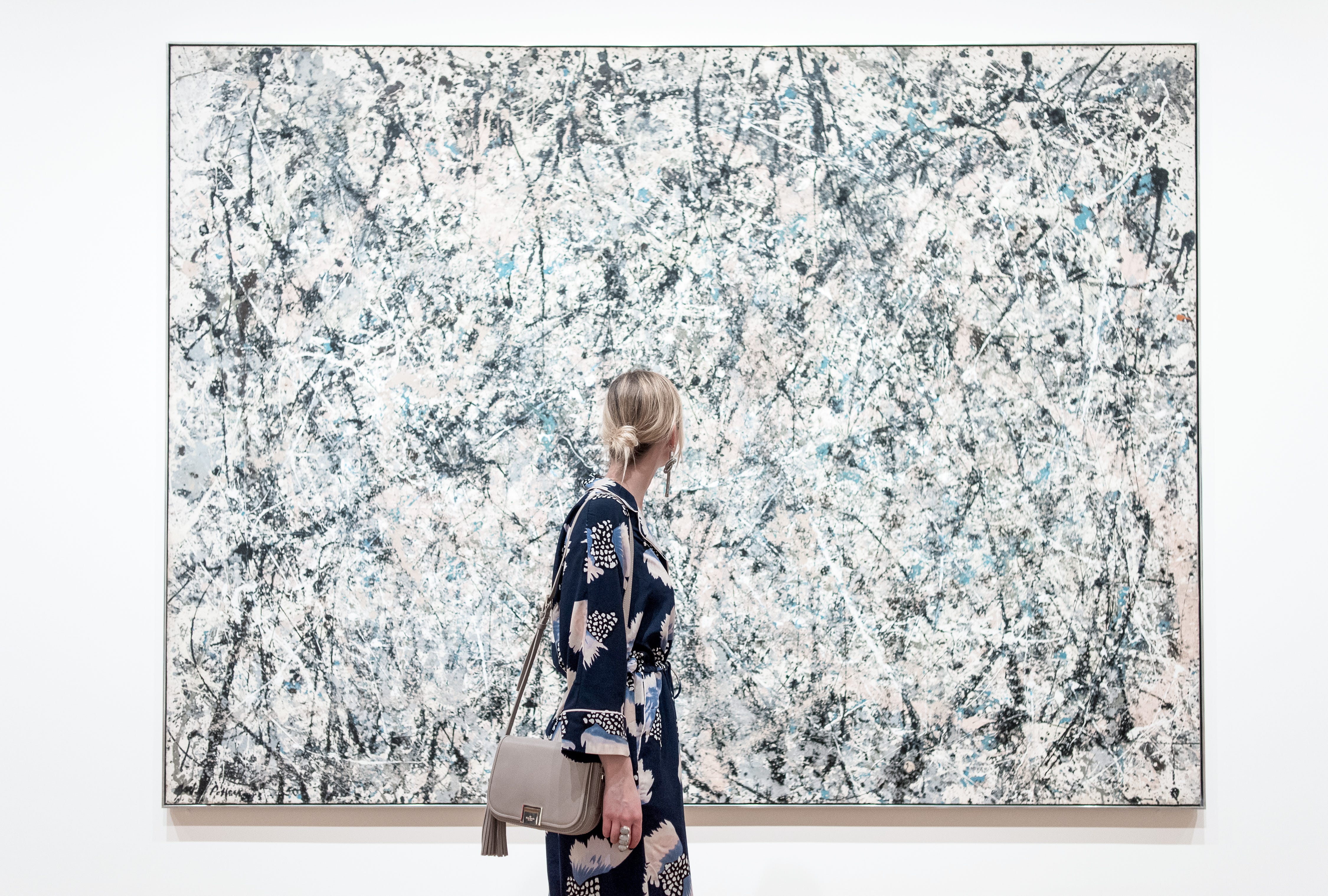
The art world can be confusing, murky, opaque, unclear, the wild west. There are no hard and fast rules that everyone follows. Pricing ebbs and flows with lots of external factors. Trends come and go. Even artists don’t understand how it works half of the time!
There is a huge difference between making art, selling art, curating art and advising on art. This post is long, but I want to explain the art world a little, how I fit in it, and how I can help you transform your space with art.
Obviously making art is done by the artist. Artists have a concept or a medium they use and they make something. Usually it’s something to sell, but not always. Sometimes it’s just part of a process, sometimes it’s an installation that isn’t necessarily for sale, or it’s just an example of work they could do, etc. But this person that is the maker of the art doesn’t always want to be the seller of the art. Social media and the ease of template websites and online selling platforms has made it easier for artists who don’t want to do the selling part to still have the option to do it. But it doesn’t mean they are good at that part, or enjoy that part of the process.
Selling art can be done by a lot of different people. The artist can sell their own work direct to collectors via a website, in person, social media, etc. A gallery can represent an artist (most galleries take 50% of the sales price if you didn’t know that) and sell their work and facilitate commissions with the artist. Art advisors or consultants can sell/purchase art. Typically these people have clients who are private collectors (think residential) or businesses that hire them to help them purchase art for a building or company collection (think hotel, lobby and public areas in big building, etc.).
The word “selling” might be a little misleading as far as art advisors and consultants go, they more help someone purchase art vs. selling art. Unless the advisor works specifically with a certain gallery/website to only sell that particular art, they would be in the business of selling. Other advisors/consultants help a client purchase art, but they also indirectly help a gallery/artist sell the work to a client they probably wouldn’t have otherwise have had.
This is where I fit in as an art advisor/consultant — I have clients that want to purchase art for their home or business and I help them figure out what they like, I find options, then I help them acquire the work or facilitate a commission. I get a lot of joy out of the fact that I helped a gallery or artist sell the work in addition to helping my client, so I’m indirectly selling art while I’m advising.
Curating art is different from selling or advising/consulting on art. There are a lot of different ways to define this, but (IMO) a curator is someone who selects work. They might have certain criteria for a particular project/show, or a theme, or simply just a certain style/taste. They survey what is out there, do research, think about the work the artist/the context/the materials, ponder, make selections, organize those selections Beautiful Mind style, and either put those selected pieces into a show, or they work at a museum/gallery, or maybe they curate collections and write about them online for your viewing pleasure. There is more one could say but that is the gist.
The title of curator is held high in the art world, so you will see more people call themselves an advisor or consultant before they would say they are a curator. The word curator carries some weight with it. In my opinion, it is reserved for someone with certain types of education or clout in the art world, someone who works at a museum or large/successful gallery, or someone who has been in the industry a long time, etc. The definition of curate means to select something for presentation so anyone who does that in anyway related to art could technically call themselves a curator by definition, but the title has more meaning than that.
Advising on art can also be a bit confusing. While I consider myself an art advisor and/or consultant, there are different specialties within this. I personally specialize in the emerging/mid-career side of advising to clients or businesses. Most of the work I recommend is under $15,000. I’m happy to find things more expensive than that if that’s in the client’s budget, but the majority of the work I’m looking at/recommending to my clients is under $15,000.
Some advisors also offer collection management (if you have a large collection), artist management (helping artists manage their work/sales/leads etc.), and also provide fine art appraisals, or broker fine art insurance. If you are looking for this type of help, or are purchasing very expensive art, or blue-chip art, then you will want someone with a very good reputation and accreditation to help you along the way. If you need this level of help I’m happy to recommend a few people to you as this is not the type of advising I do.
Hopefully now some of the roles in the art world are a little more clear from my personal perspective. Feel free to ask me any questions about this that I can help clarify. Also, it’s the art world and people define things differently, so you can do your own research, read all sorts of things that are out there and then form your own opinion!
MY PROCESS
When I work with people they usually come to me in two different ways. One is a direct client, the second is through an interior designer. I enjoy both!
When I work with clients through an interior designer it’s usually because that designer either doesn’t enjoy the art curation process or is busy and this is a good piece to have someone else manage for them. Because the designer knows the client and knows what the space is, this process can be a little different/more straightforward than my direct clients as the designer might have a particular vision or the client might have already discussed their vision for artwork with the designer.
When I work with a direct client, I will often make an art quiz specifically for them to help get to know their preferences. I also talk to them about what they think they are looking for. I like to look at photos/videos/or be in person at the spaces they are wanting to display artwork in. That quiz and information I gather then informs the the artwork I seek out and recommend to them. I usually show them a lot of work in the first round (example of a page in my presentation PDF below). If the right thing isn’t there, we keep going, but typically after their feedback from that first round I am looking for something specific.
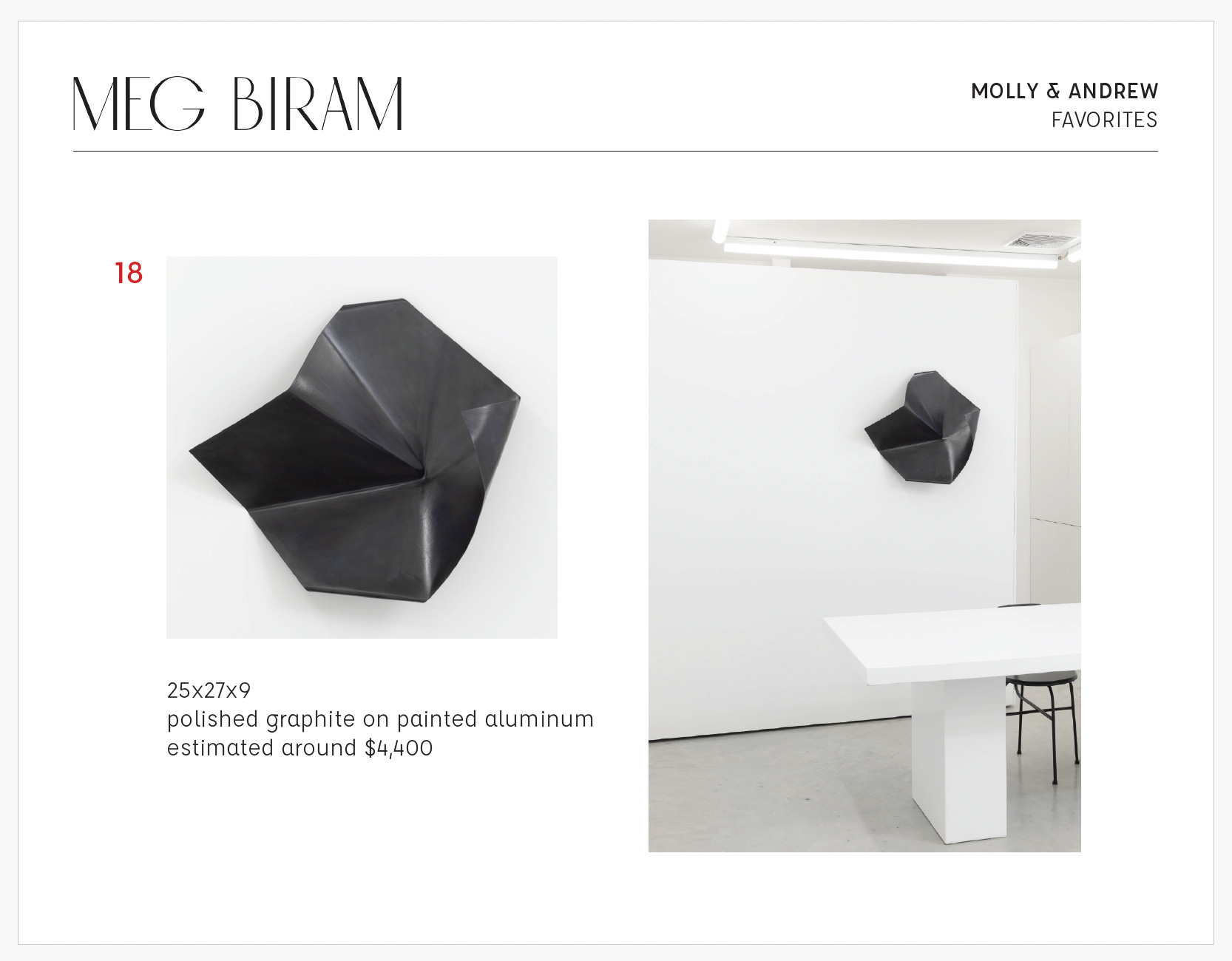
To start this process, depending on a few factors, is a flat fee. After a certain amount of time/rounds, the client may be billed hourly for work outside the scope of the initial fee.
The reason I bill for time or a flat fee is for many reasons. I don’t want to be tethered to only being able to propose work that I would receive a commission for (typically from galleries). I also don’t want to be motivated to recommend art at any certain price point — this way I can recommend things that are $100 or $1,000 and it doesn’t matter to me what the client chooses to purchase because I’m getting paid a fee for my time, not working only on commission. If I only worked on commission then I could only recommend artwork from specific galleries and I’d be incentivized to present more expensive artwork because I would receive a bigger commission. And lastly, I like to be able to recommend things like vintage pieces, or artists that aren’t represented by a gallery who often don’t know to build in commissions for advisors/consultants/referrals/designers into their pricing (if you’re an artist, you should IMO, I do!).
My consulting fee is typically determined by how many areas in the space the client is wanting art for. Pricing can differ, for example if they want one large piece in a certain area versus if they want a gallery wall where I’d be looking for a group of pieces that work together.
If interested in learning more about my art consulting, feel free to ask questions in the comments or email me.
///
Photo by Laura Metzler